
The History of Bringing Southern Tea to Northern China
Sixteen archival images trace northern tea trials, winter protection, the research station and the development of Fulaqing.
The beginning of northern tea cultivation
The introduction of southern tea to northern China was a scientific agricultural initiative undertaken by the Shandong provincial Party committee and government in the late 1950s and early 1960s.
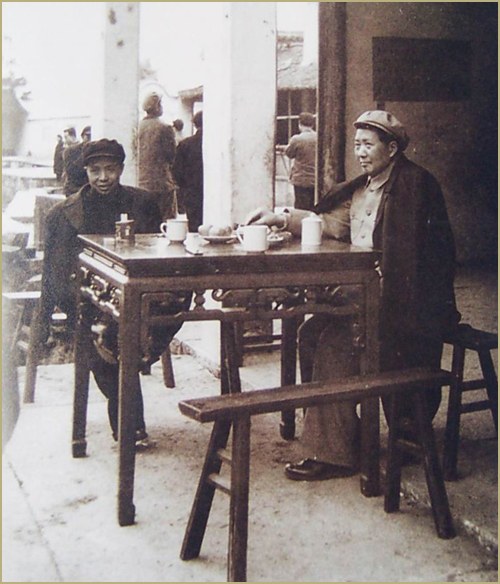
In 1954, during a conversation in Shaoxing, Zhejiang, Mao Zedong suggested to Tan Qilong that tea plants from southern China could be introduced to Shandong. Soon after Tan arrived in Shandong, provincial leaders agreed that the shortage of tea should be addressed through local efforts rather than relying entirely on supplies from elsewhere. This became the initial idea behind the project.
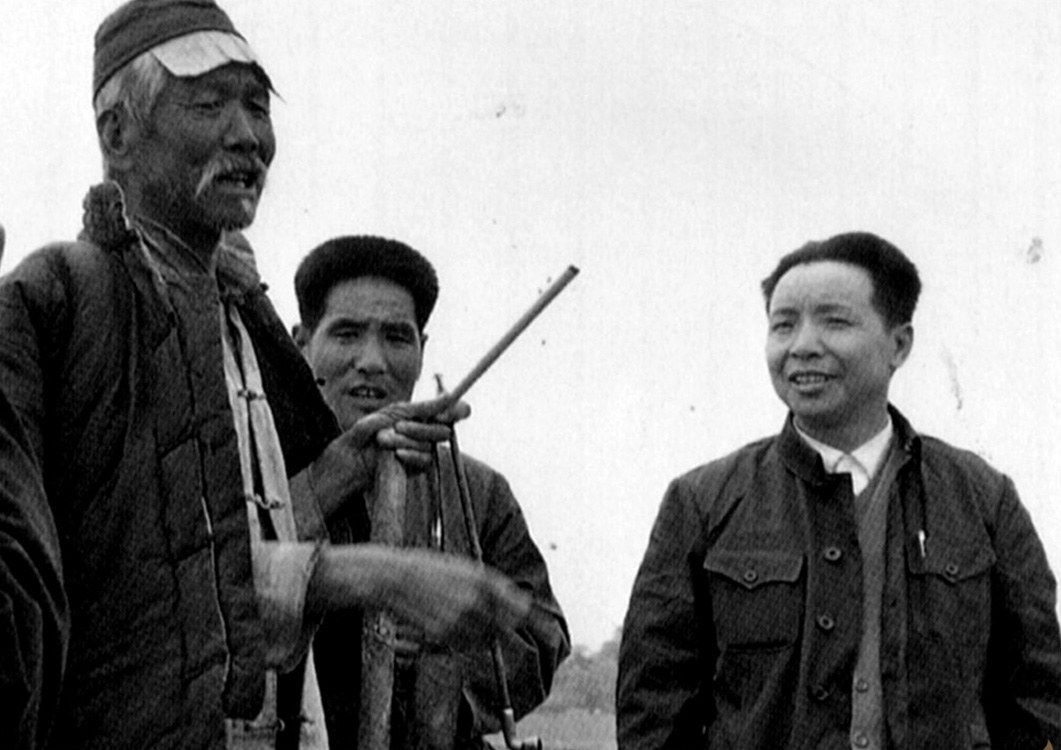
In 1956, Qingdao, Rizhao and Linyi were selected as the first areas for the project, marking the start of the first northern introduction campaign.
Afforestation, planting trials and severe winters
In 1961, Xiazhuang Commune in Ju County began restoring the environment of Changhong Ridge, an area known locally as the southern wasteland. Since the land suited pine and cypress, seedlings and seeds were brought from Linshu County and planted across nearly 10,000 mu.
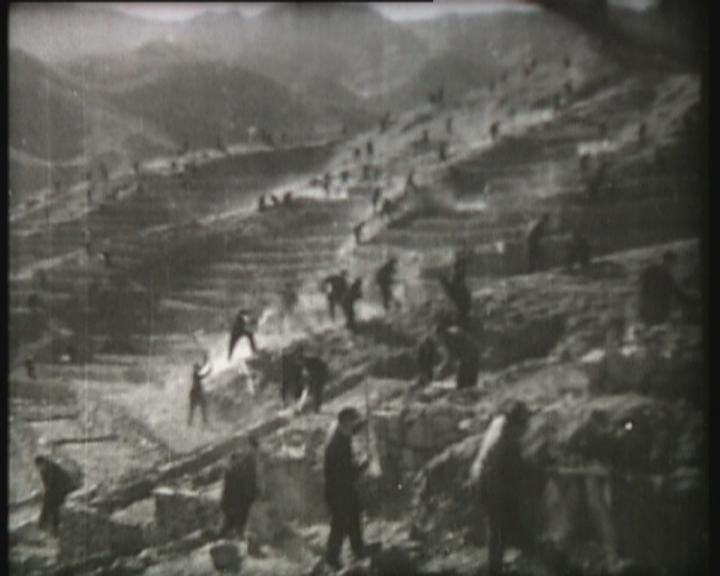
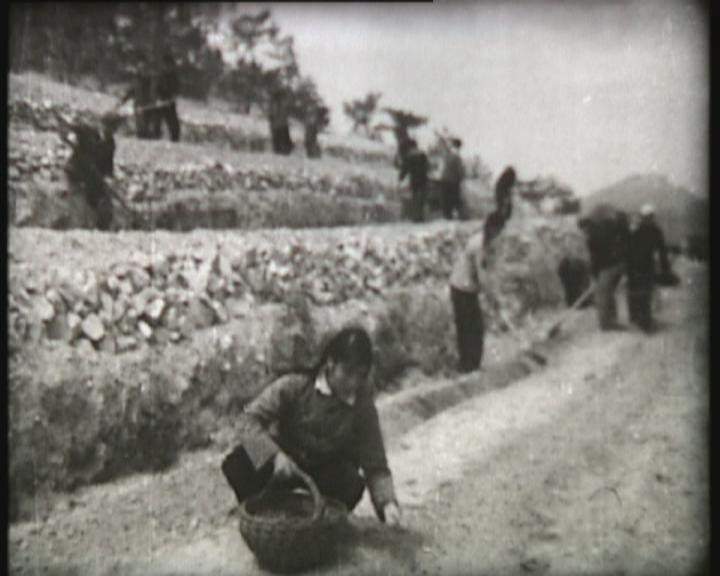
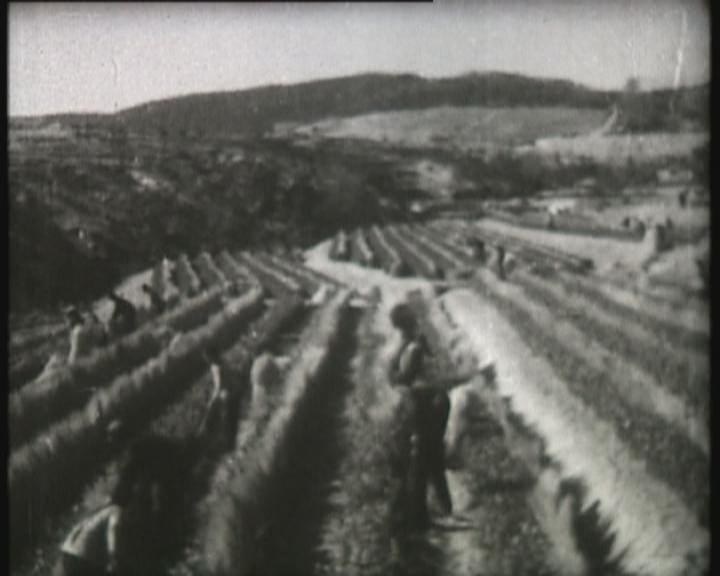
Between 1962 and 1963, tea was planted experimentally among the pine woods of Changhong Ridge near Liujiamiaojiang, Xiaowotuan, Dawotuan and Beimapo villages. This was the initial stage of scattered introductions.
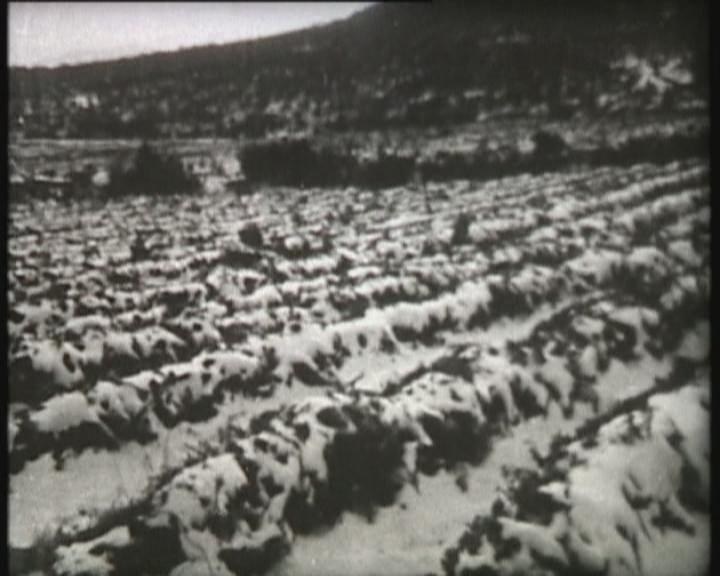
From 1956 to 1965, Qingdao, Linyi, Rizhao, Ju County and other areas brought tea plants from south of the Yangtze for larger trials. An exceptionally severe cold wave then struck. Few gardens survived, and the project suffered a serious setback.
From trials to tea production
During a visit to Qingdao in 1965, Tan Qilong found several surviving tea plants in Zhongshan Park and tasted tea made from their leaves. He considered their colour, aroma and flavour superior to southern tea. Encouraged by this experience, he launched a second campaign, which successfully established tea plants in Shandong.
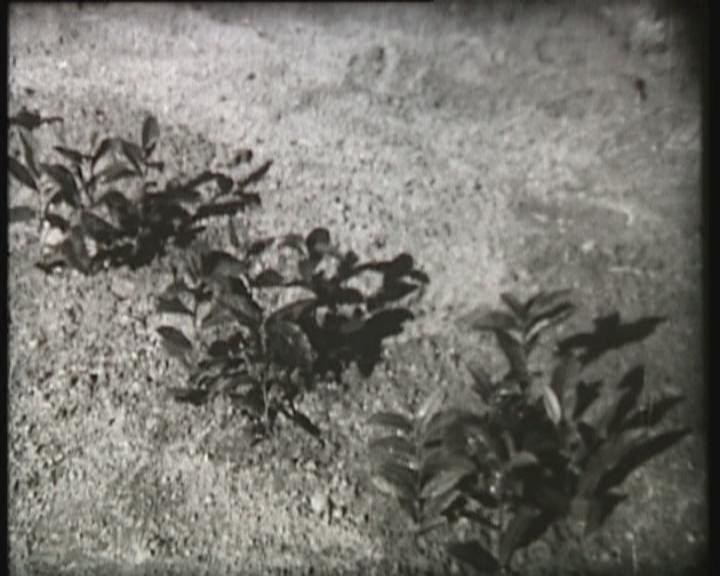
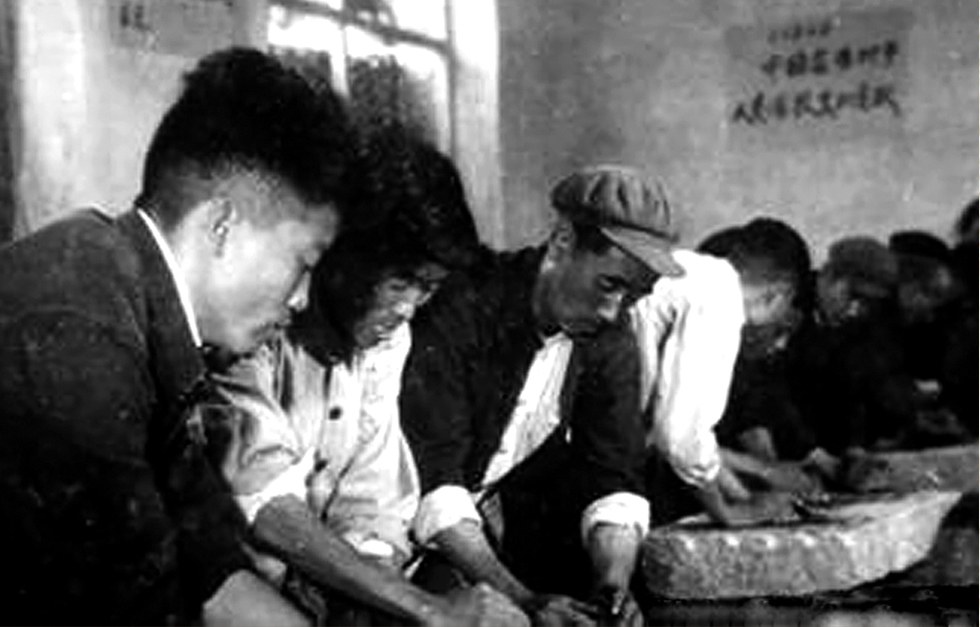
By 1969, the introduced plants were growing well and entering the picking season. The Xiazhuang commune tea factory began trial processing, using its only wok to fix, roll and dry the leaves by hand.
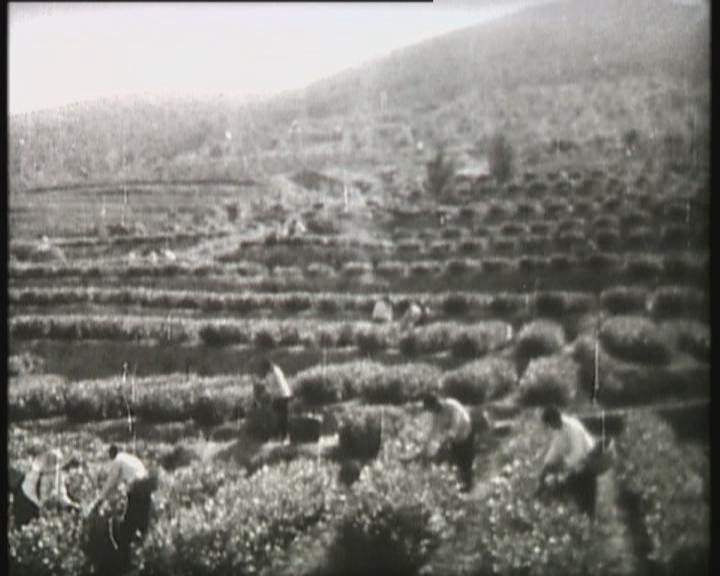
Between 1965 and 1971, growers improved sowing, seedling emergence and winter protection, alongside irrigation works. Plant survival rose from 35% in 1965 to 95% in 1970. The source describes this as the successful pilot stage.
From 1972 to 1975, successful trials encouraged gradual expansion. Xiazhuang entered a period of small-scale development, reaching 2,000 mu of tea gardens.
Tea research and international exchange
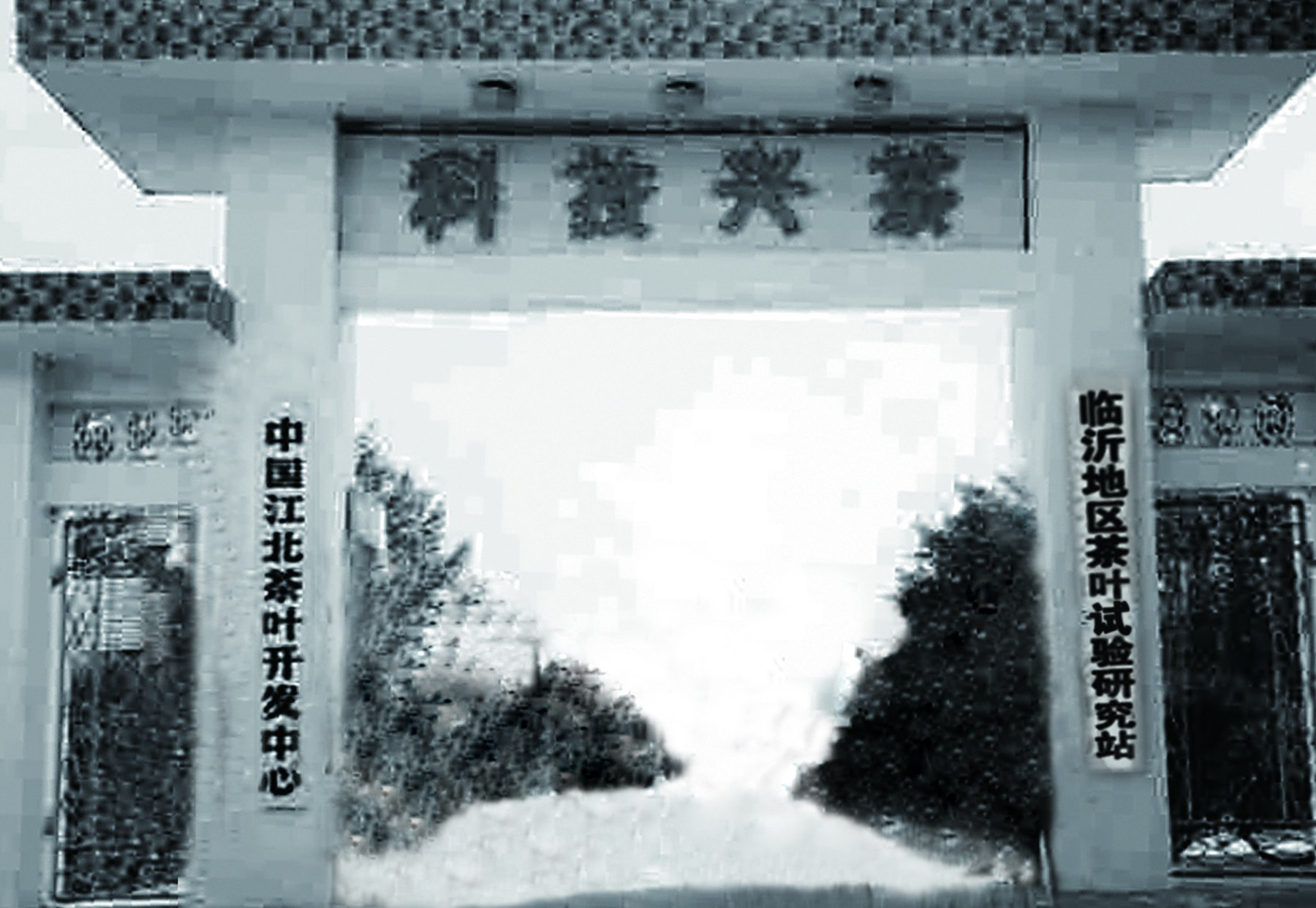
Under provincial document Nonglin [1978] No. 108, Shandong approved the establishment of the Linyi District Tea Experiment and Research Station. Originally located at Mapoling, Xiazhuang, Ju County, it occupied more than 300 mu and was the earliest tea research institution in the province. Xiazhuang Tea Factory was established in 1979, renamed Ju County Tea Factory in 1986 and registered with the national commercial authorities.
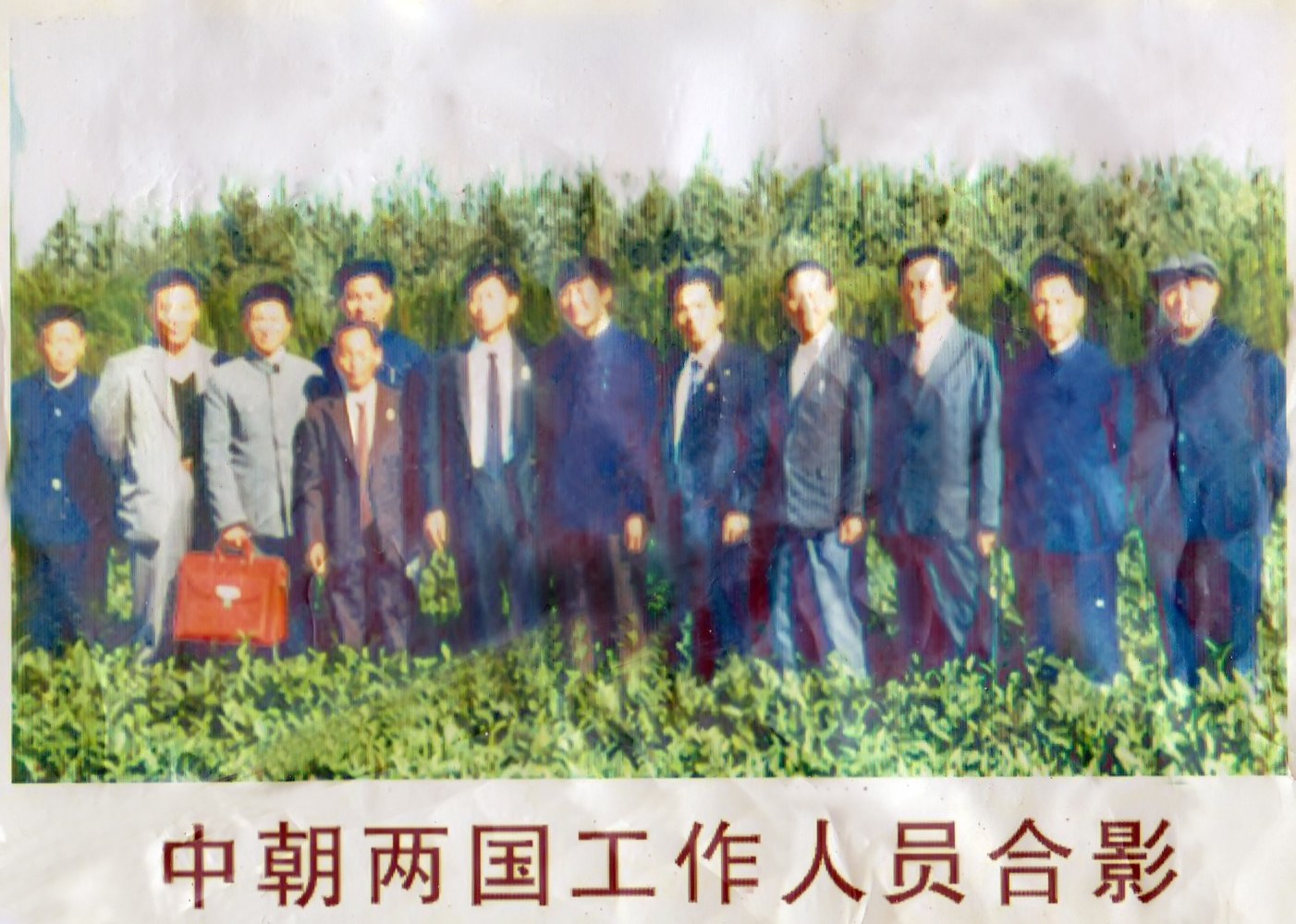
In 1983, with approval from the Ministry of Agriculture for an international exchange, the Linyi District Tea Experiment and Research Station sent 300 tea seedlings to the DPRK. The source describes this as the beginning of tea cultivation there, a contribution to friendship between the two countries, and a further northward movement of tea cultivation by two degrees of latitude.
The formation and growth of Fulaqing
In 1990, administration of the research station passed from the Linyi District Agriculture Bureau to Ju County, Rizhao. In 1993, Ju County placed it under Xiazhuang township administration. On 8 August, the station's factory and three tea factories in Ju County merged to form Shandong Fulaqing Tea Factory, and the Fulaqing trademark was registered.
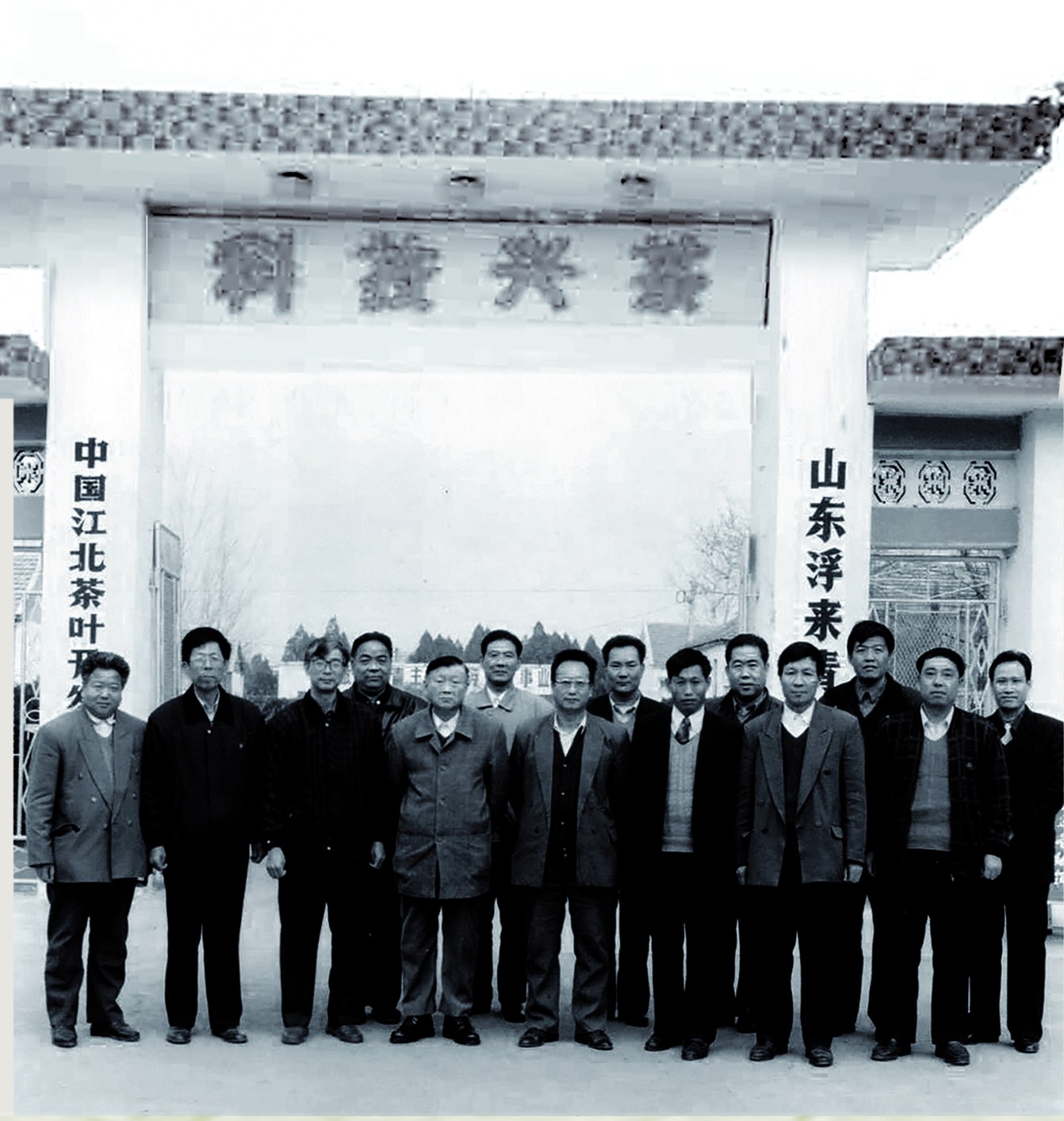
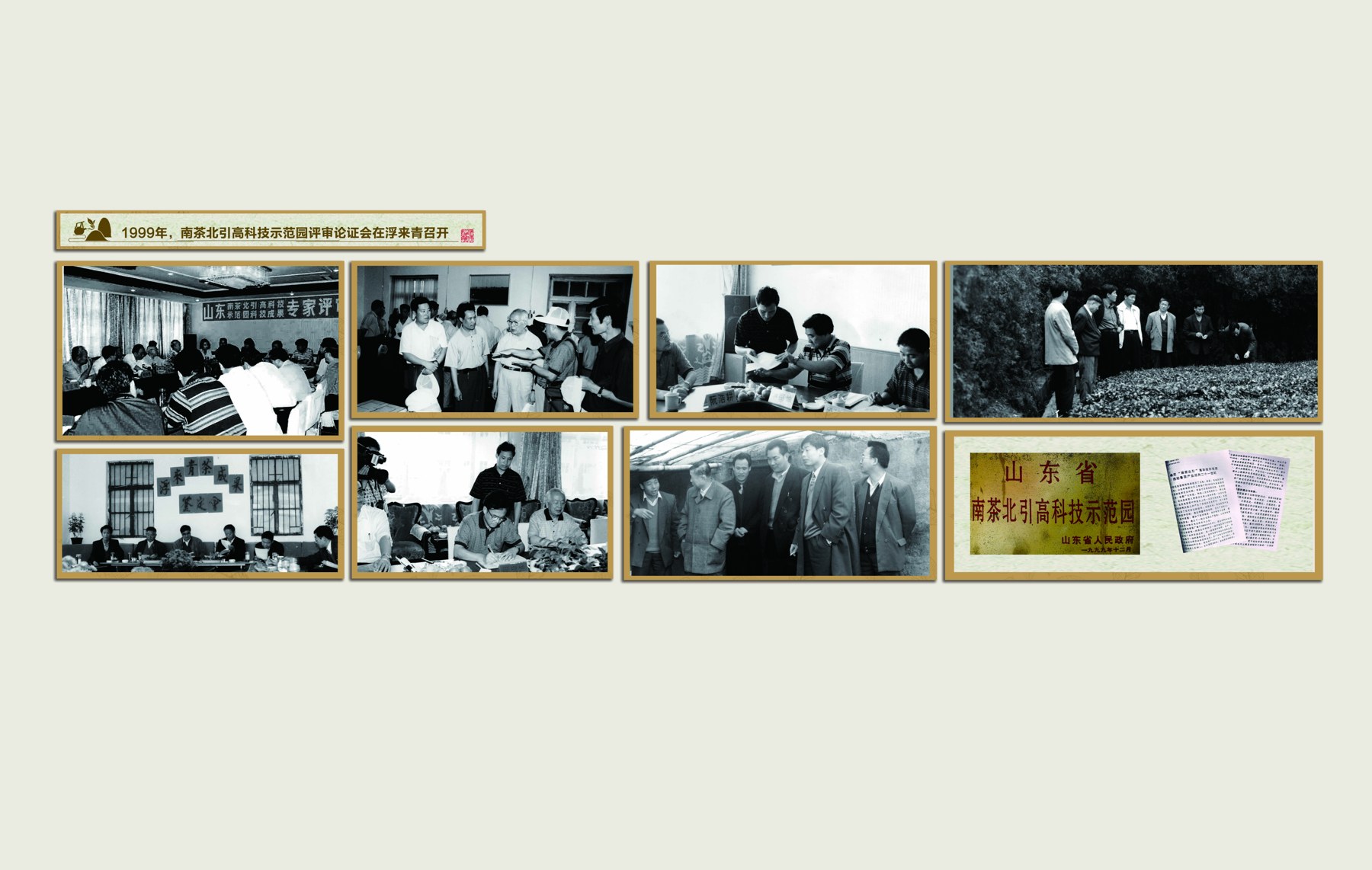
In 1998, the Shandong provincial government designated Fulaqing Ecological Park as a high-tech demonstration park for northern tea cultivation. In 1999, a review and assessment meeting for the demonstration park was held at Fulaqing.
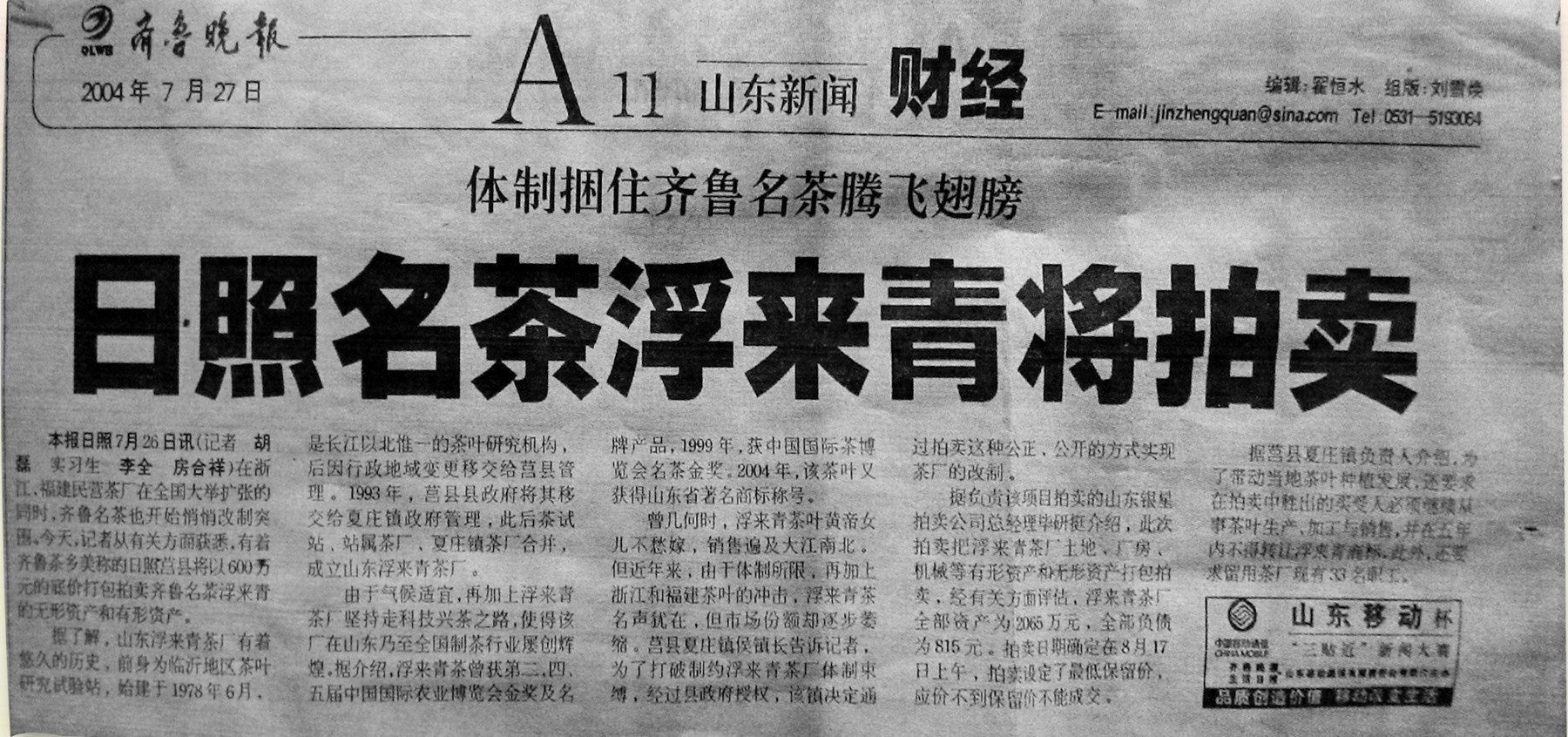
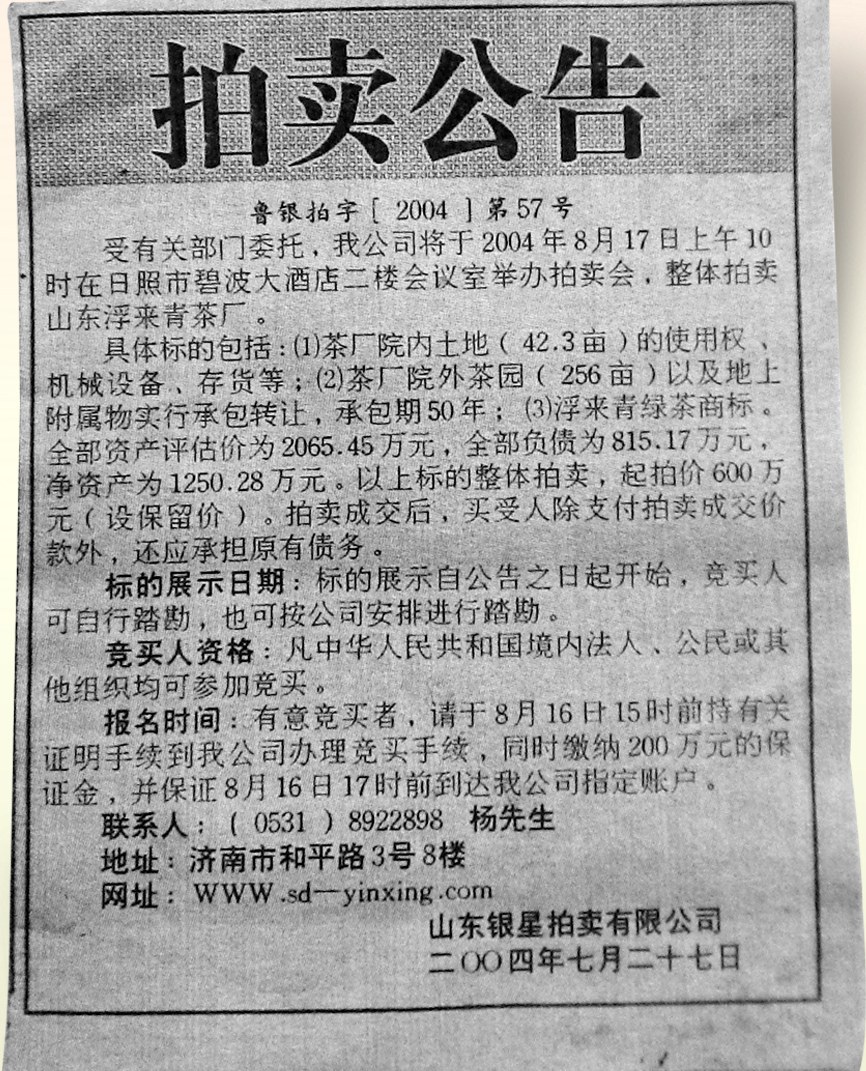
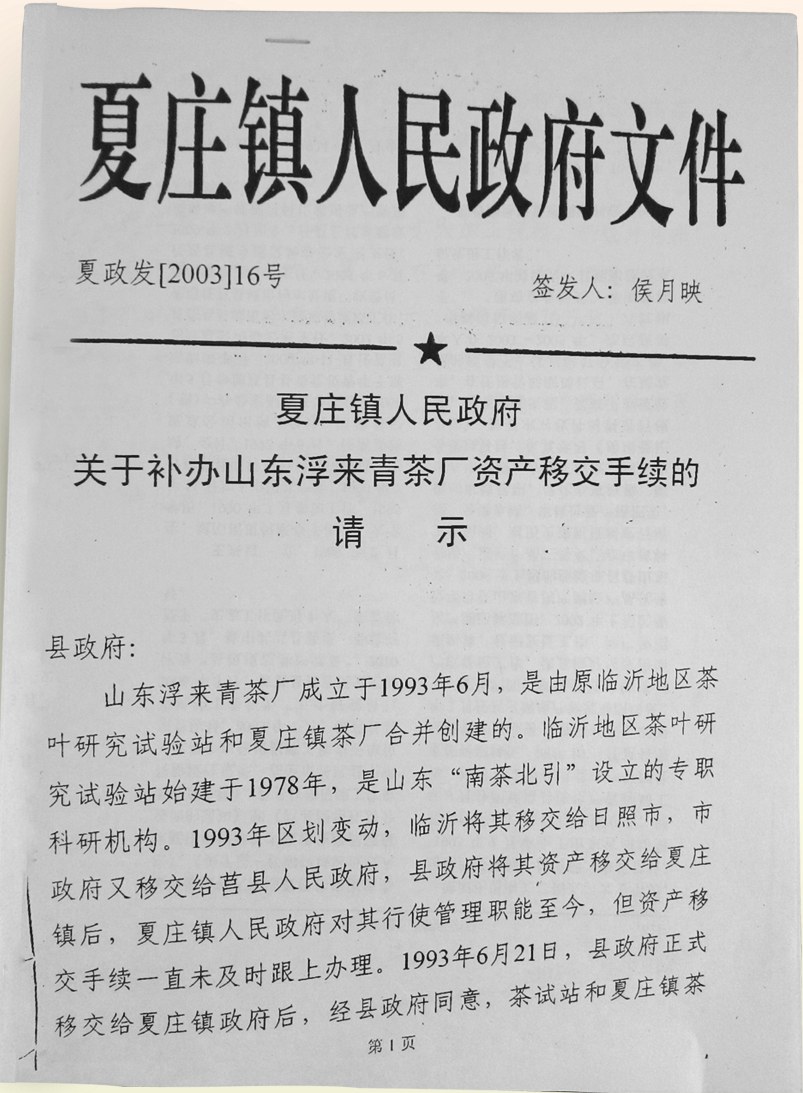
In 2004, Shandong Fulaqing Tea Factory was restructured. On 25 December, Shandong Fulaishan Group took over the business and established Shandong Fulaqing Tea Co., Ltd. The Fulaqing trademark was recognised as a famous trademark of Shandong that year. In 2005, the company was recognised as a national tea standardisation demonstration area.
This historical document records the establishment of Fulaqing Group in August 2016. Its businesses included Fulaqing Tea Company, Fulaqing Culture and Media Company, Fulaqing Catering Services, Fulaqing Tourism Resort, Fulaqing International Travel Agency and Fulaqing Tea Culture Exchange Company.
A gift from 35°N
By 2020, Shandong had 408,000 mu of tea gardens and annual tea production of 26,000 tonnes. Premium teas accounted for more than 67% of production, and annual output value reached RMB 4 billion. The document reports steady growth in planted area and production, with cultivation under protective facilities also expanding.
A leaf falls into water and changes its taste: this is tea. Through the great plant migration of the northern introduction project, Shandong offered the world a gift from 35°N. Today, Shandong teas, represented by Rizhao green tea, carry a distinctive historical and cultural legacy into everyday life.
Source: the company historical archive, “The History of Bringing Southern Tea to Northern China”. Dates follow the original account.